Learning how to store furniture in a storage unit correctly can save you from scratches, stains, mold, warped wood, broken legs, and expensive repairs. Whether you are moving, renovating, downsizing, or simply making more room at home, a little preparation goes a long way.
The safest approach is simple: clean every piece, let it dry completely, disassemble what you can, use the right protective materials, and organize the unit so nothing is crushed or exposed to unnecessary moisture.
Most furniture damage in storage comes from moisture, dirt, pests, poor wrapping, and unstable stacking.
Wood can swell, crack, or warp when exposed to moisture. Metal may rust. Upholstered furniture can absorb odors or develop mold if it is stored while damp. Dirt and food crumbs may stain fabrics or attract insects and rodents.
Damage can also happen when a unit is packed too tightly. Heavy boxes placed on a couch, table, or chair can deform cushions, scratch surfaces, or break furniture frames.
Never place dirty furniture directly into storage. Dust, oils, crumbs, and moisture become harder to remove after sitting for several months.
Vacuum upholstered furniture carefully, including underneath cushions and inside crevices. Clean wood with a product made for its finish. Leather furniture should be cleaned and conditioned according to the manufacturer’s instructions. Metal furniture should be dry and free of active rust.
Allow every piece to dry completely before wrapping it. Even a small amount of trapped moisture may cause mildew, odors, or surface damage.
Take pictures of valuable furniture before moving it. Photos can document its condition and make reassembly easier. You should also measure large items, doors, hallways, and the storage unit entrance before moving day.
Take apart beds, tables, desks, shelving units, and sectional couches when it is safe to do so. Removing legs, shelves, cushions, and other detachable pieces makes furniture easier to move and reduces the chance of breakage.
Place screws and bolts in labeled resealable bags. Tape each bag to the corresponding piece or keep all hardware in a clearly marked container. Take a few photos during disassembly so you know how everything fits back together.
Do not force apart furniture that was not designed to be disassembled. Doing so can weaken joints or damage the frame.
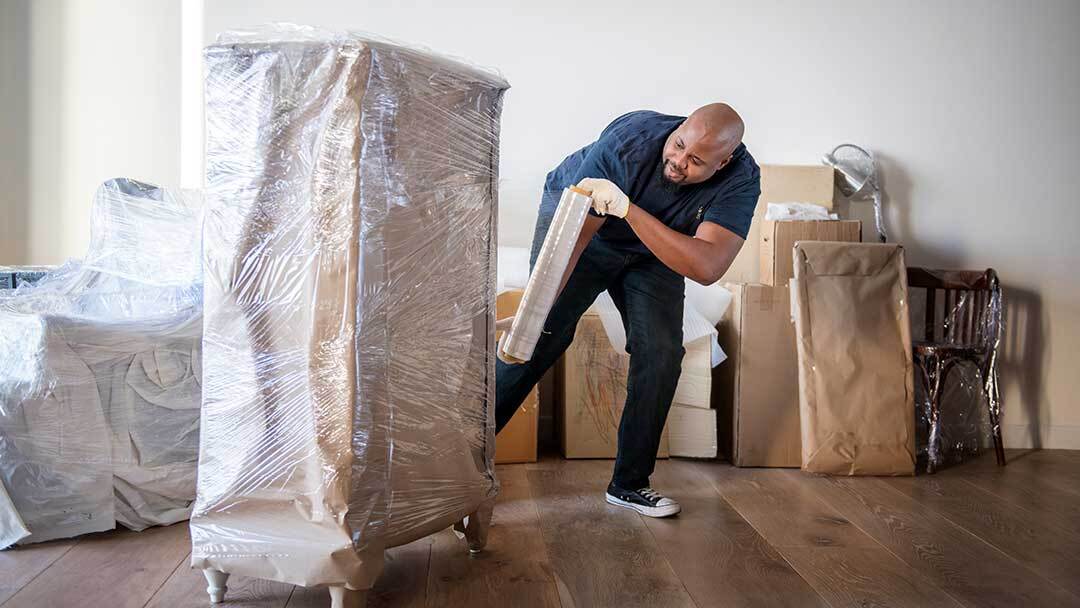
Use moving blankets, furniture pads, clean sheets, or breathable covers to protect surfaces from dust and scratches. Secure the covering with stretch wrap, tape, or straps, but avoid applying tape directly to wood, leather, or fabric.
Do not tightly seal wood or upholstered furniture in plastic for long-term storage. Plastic can trap condensation against the material. Instead, cover furniture with breathable padding and use plastic wrap only to hold the padding in place.
Add extra protection to corners, legs, and sharp edges. Wrap mirrors, glass shelves, and tabletops separately with padding and sturdy cardboard, then clearly mark them as fragile.
Avoid damp blankets, dirty materials, thin trash bags, or newspaper directly against furniture. Newspaper ink may transfer onto surfaces, while weak plastic bags tear easily.
Clean and dry wood furniture thoroughly. Depending on the finish, an appropriate polish or wax may help protect the surface. Use moving blankets or breathable covers rather than sealing wood directly in plastic.
Keep wooden furniture off the concrete floor and leave a little space between it and the walls.
Vacuum couches and chairs before storage. Remove detachable cushions and legs when possible, then use a clean, breathable cover.
Do not place heavy boxes on cushions or armrests. Storing a couch vertically can save space, but only when its structure is strong enough and the position will not damage the upholstery.
Clean and condition leather before storage. Avoid plastic directly against the surface. Use a breathable cover and keep sharp or heavy objects away from it.
Remove table legs when practical and wrap each component separately. Protect tabletops with padded covers and avoid stacking heavy boxes on them.
Wrap chairs individually if they could rub against one another. Mirrors and glass pieces should be padded, labeled, and stored upright in a stable position.
Place pallets, shelving, or another protective barrier between furniture and the concrete floor. Put large and heavy items toward the back, then arrange lighter pieces around them.
Leave a walkway from the entrance to the back of the unit. Keep anything you may need soon near the front.
Use vertical space carefully, but do not build unstable stacks. Keep heavy boxes on the floor and lighter boxes above them. Avoid leaning heavy items against fragile furniture or placing excessive weight on tables, couches, and chairs.
Leave small gaps between furniture and the walls to improve airflow. Packing every inch too tightly makes the unit difficult to access and can trap moisture.
Only store furniture when it is completely clean and dry. Use breathable covers, keep furniture elevated, and avoid pressing items directly against walls.
Never store food, pet food, plants, or dirty kitchen items with your furniture. Even small crumbs can attract pests. Avoid cardboard boxes that previously held food.
Check the unit periodically when furniture will be stored for many months. Look for unusual odors, damp coverings, signs of pests, shifted stacks, or damaged packaging. Catching a problem early can prevent expensive damage.
The most common mistakes include:
Storing furniture while it is damp or dirty
Wrapping wood or upholstery tightly in plastic
Losing screws and assembly hardware
Placing furniture directly on concrete
Stacking heavy boxes on couches or fragile tables
Packing the unit without leaving an aisle
Using dirty or damp covering materials
Storing food or other items that attract pests
Choosing a unit that is too small
Failing to inspect furniture during long-term storage
Before closing the unit, confirm that you have:
Cleaned and dried every piece
Photographed valuable furniture
Measured large items and doorways
Disassembled furniture where appropriate
Labeled and secured all hardware
Used breathable protective materials
Protected corners, glass, and mirrors
Elevated furniture from the floor
Kept heavy items at the bottom
Left an aisle and room for airflow
Proper furniture storage is mostly about preparation. Clean materials, breathable protection, careful stacking, and a well-organized unit can keep furniture in good condition for months or even years.
Minify Self Storage offers convenient options for moving, remodeling, downsizing, and long-term storage throughout Northern Illinois. Review current availability at Minify Self Storage and choose a unit with enough room to protect your furniture without overcrowding it.
